There is a particular kind of traveller who arrives in a new port with nothing booked, no itinerary, and no anxiety about it whatsoever. They step off the boat, take a long look at the harbour, and somehow find the best coffee in town within twenty minutes. These people are sailors, and they have been doing this longer than anyone with a smartphone and a booking app.
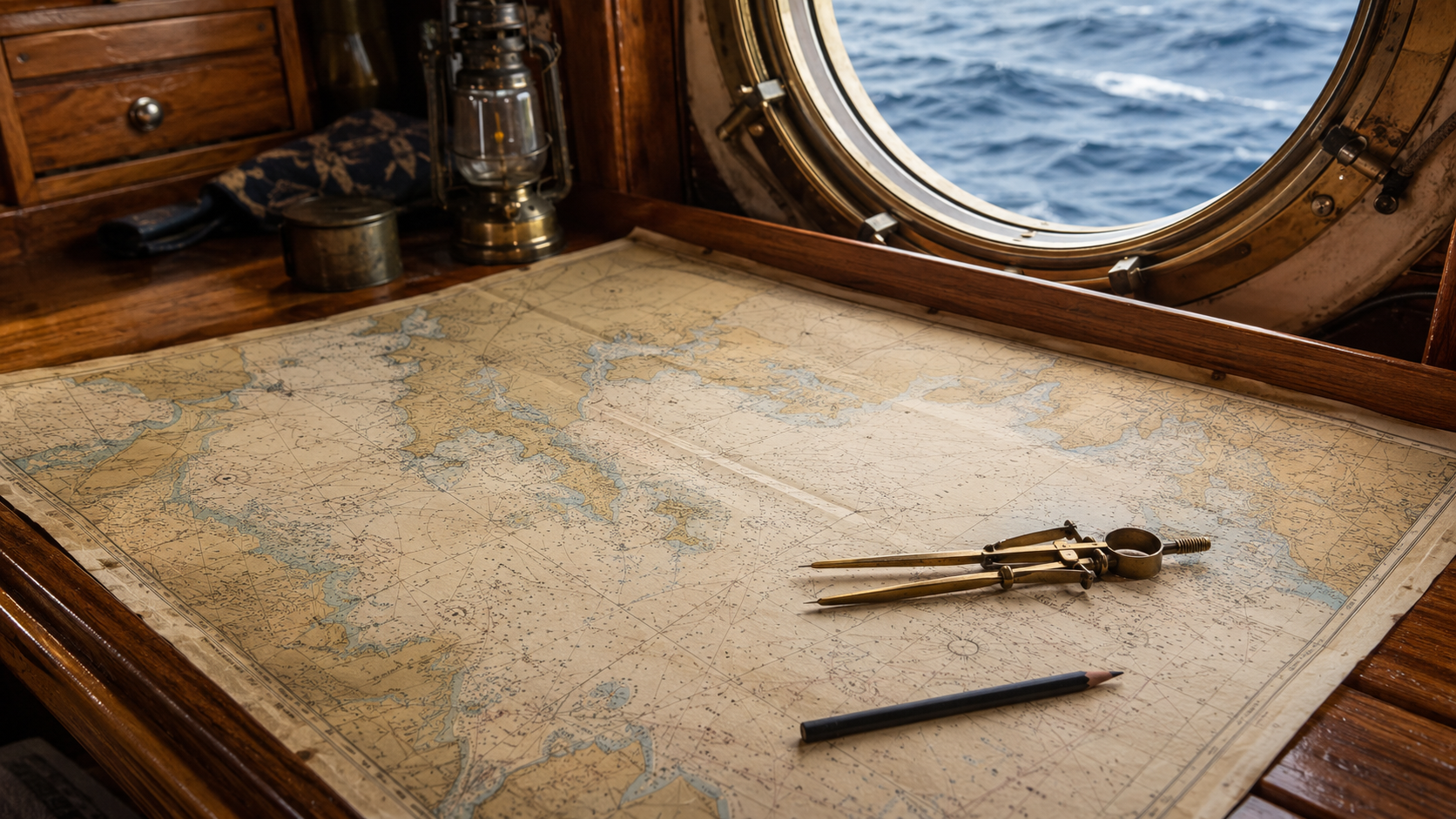
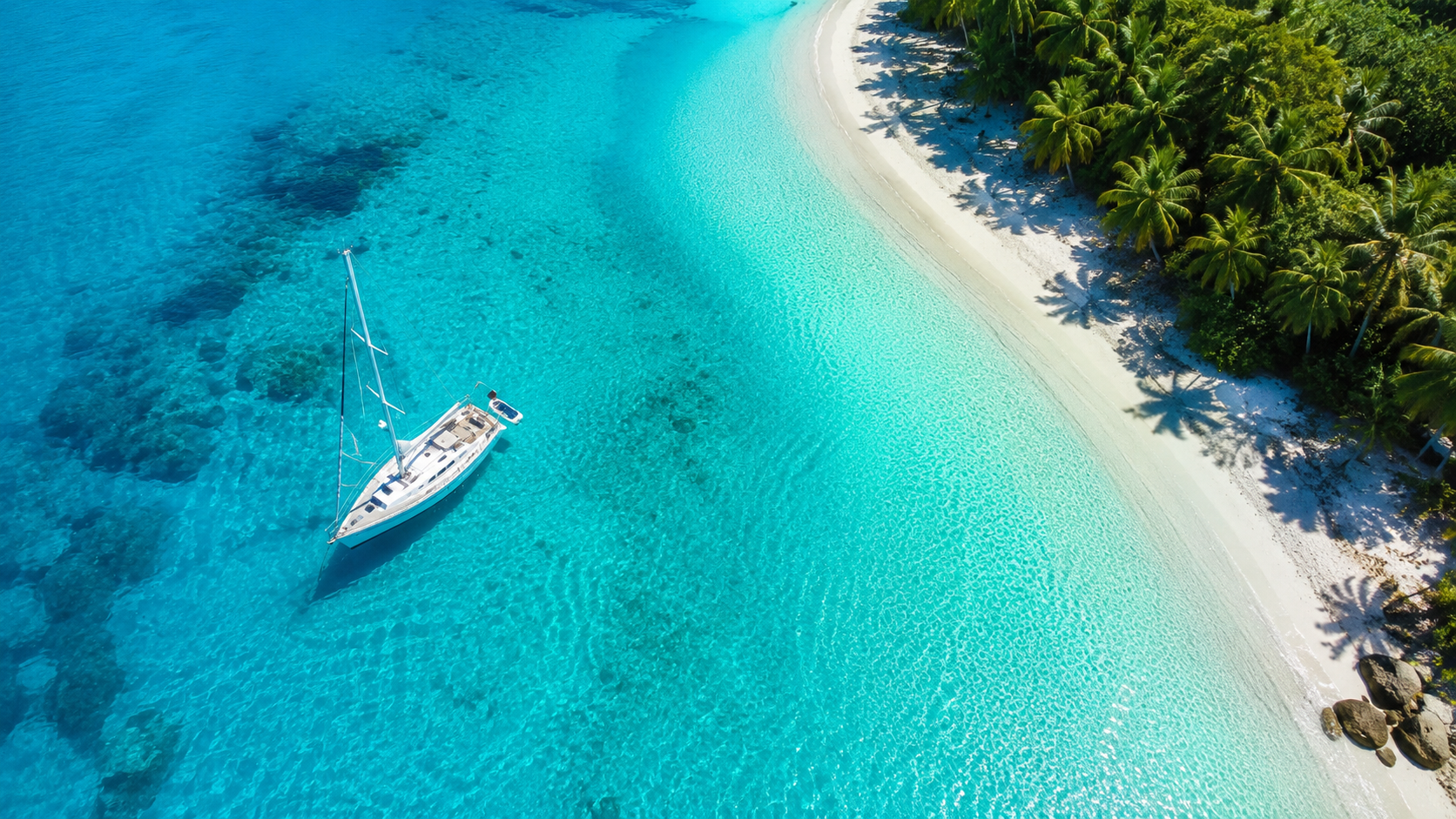
Sailors travel differently because the sea teaches you things that airports never will. You learn to read a place before you arrive. The colour of the water, the shape of the coastline, the way fishing boats cluster near certain headlands. By the time you come ashore, you already have a sense of what kind of town you are walking into.
Patience Is a Sailor's First Language
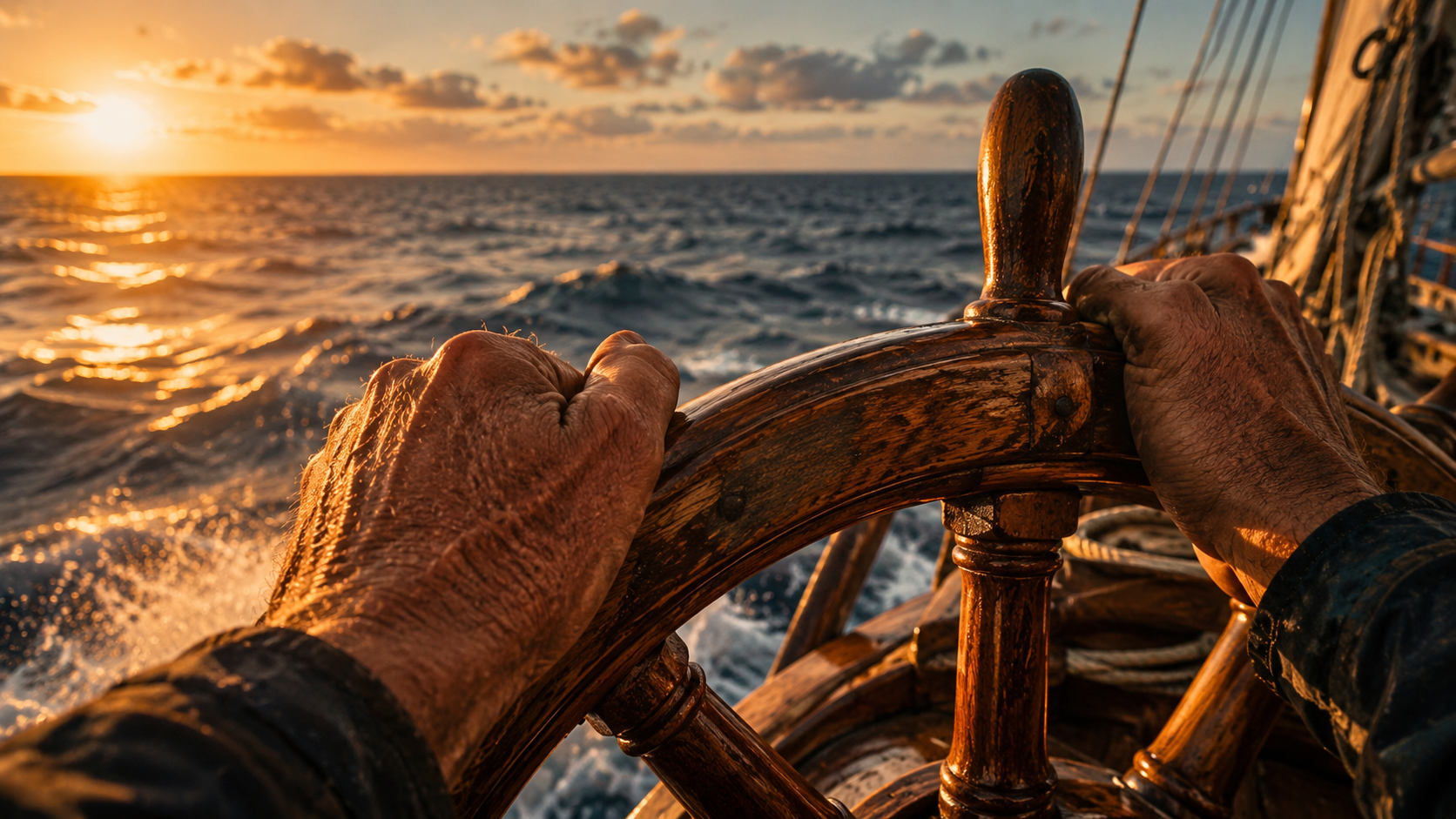
Anyone who has waited three days for a weather window knows that travel does not happen on your schedule. It happens on the world's schedule, and you adjust. This makes sailors remarkably easy-going on land. Flight delayed? The sailor shrugs. Hotel not ready? They will find a harbour wall to sit on and watch the boats come in. There is no rush when you have spent a lifetime working with tides.
This patience extends to how sailors explore a place. While other travellers tick off the main sights and move on, a sailor will wander the backstreets near the waterfront, find the fishmonger who has been there forty years, and end up eating lunch at a place with no sign above the door. The best travel experiences are rarely planned. They are stumbled upon by people who are not in a hurry.
Reading the Weather, Reading the Culture
Sailors are observers by necessity. On the water, you watch the sky, the swell, the behaviour of seabirds. On land, this habit carries over. A sailor notices things. The way locals linger at a certain cafe suggests it is worth visiting. The direction people walk in the evening tells you where the sunset views are. These are small details, but they add up to a richer experience of any place.
There is also a self-sufficiency that comes from sailing. When your home moves and everything aboard needs to work, you become resourceful. This translates into a traveller who can fix problems, improvise plans, and remain cheerful when things go sideways. A burst pipe in a rented apartment is nothing compared to a bilge pump failure at three in the morning.
The Sailor's Network
Harbours are social places. Sailors share information freely, from the best anchorage to the cheapest chandlery to the restaurant where the owner's grandmother still makes the pasta by hand. This creates a network of knowledge that no guidebook can match. Arrive in any port with a sailing background, and you have an instant community of people who understand exactly why you chose this way of seeing the world.
It is not about being better than other travellers. It is about having a different lens. The sea strips away the unnecessary and teaches you to value simplicity, connection, and the privilege of arriving somewhere new under your own power. Once you have watched a coastline reveal itself slowly over the bow, the idea of flying over it at thirty thousand feet seems like a tremendous waste.
Sailors make the best travellers because the sea has already taught them the most important lesson of all: the journey matters more than the destination. And if the destination happens to have a decent anchorage and a cold beer on the quay, so much the better.