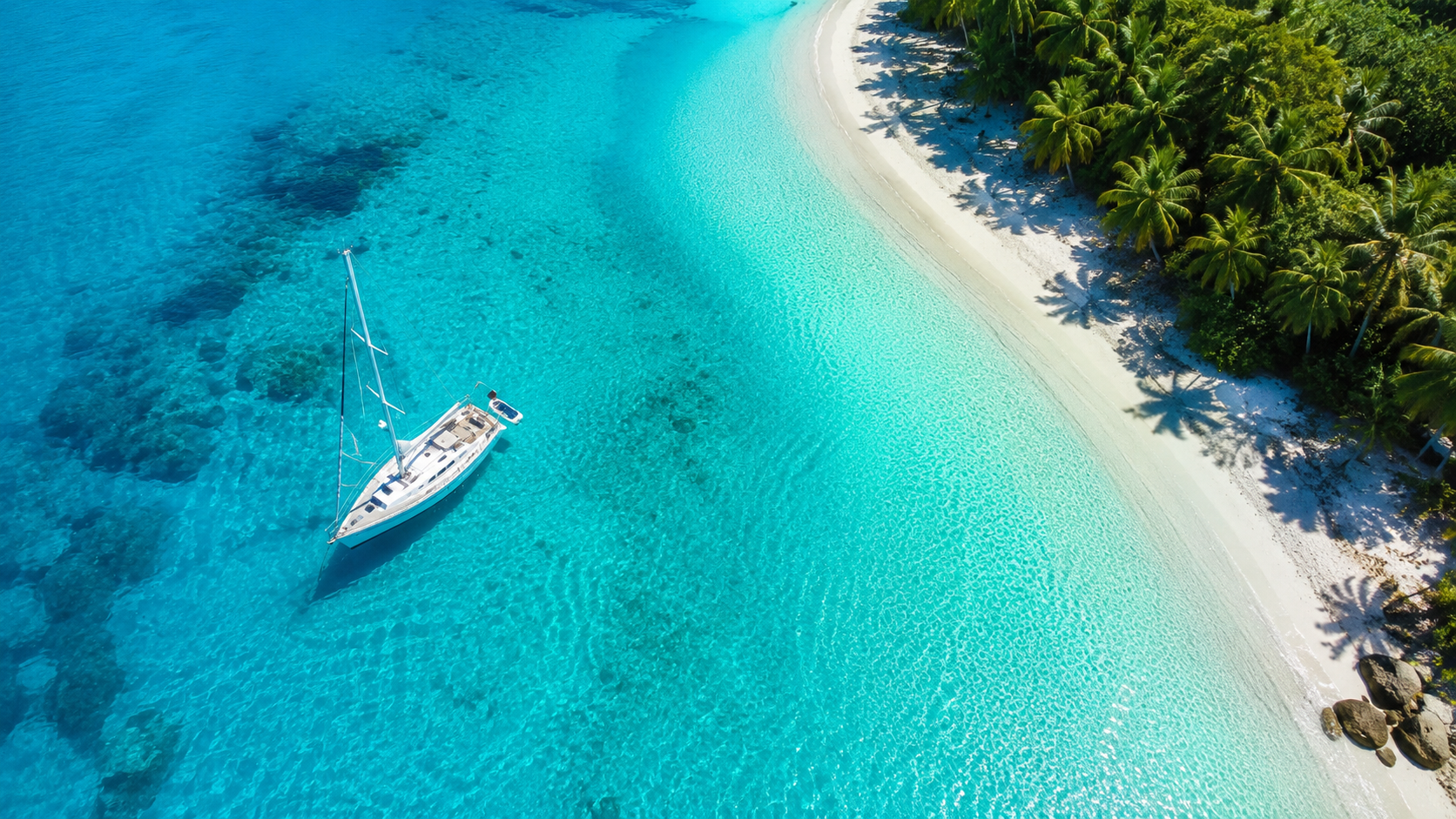
There is something deeply satisfying about dropping the hook in clear water, looking shoreward, and seeing a beach that no road leads to. This is one of the great privileges of sailing. You do not arrive at the best beaches by car or bus. You arrive by water, and the beach belongs to you and whichever seabirds got there first.
Over the years, I have anchored off beaches in the Caribbean, the Mediterranean, Southeast Asia, and the South Pacific. Each one teaches you something about what makes a great anchorage, and it is rarely what you expect. The most beautiful beach in the world is worthless if the holding is poor and the swell wraps around the headland at two in the morning.
What Makes a Perfect Beach Anchorage
The first thing any experienced sailor looks for is protection. A beach can be stunning, but if it faces the prevailing wind with nothing to break the swell, you will spend the night rolling gunwale to gunwale and wishing you had stayed in the marina. The best beach anchorages sit in the lee of a headland or within a bay that absorbs the ocean's energy before it reaches your hull.
The bottom matters enormously. Sand is the gold standard for holding, and the whiter and finer it is, the better your anchor will set. Grass can be tricky, rock is a gamble, and coral is off limits for anyone with a conscience. You learn to read the water colour. That pale turquoise over white sand is not just beautiful. It is telling you that your anchor will hold through the night.
The Mediterranean's Hidden Coves
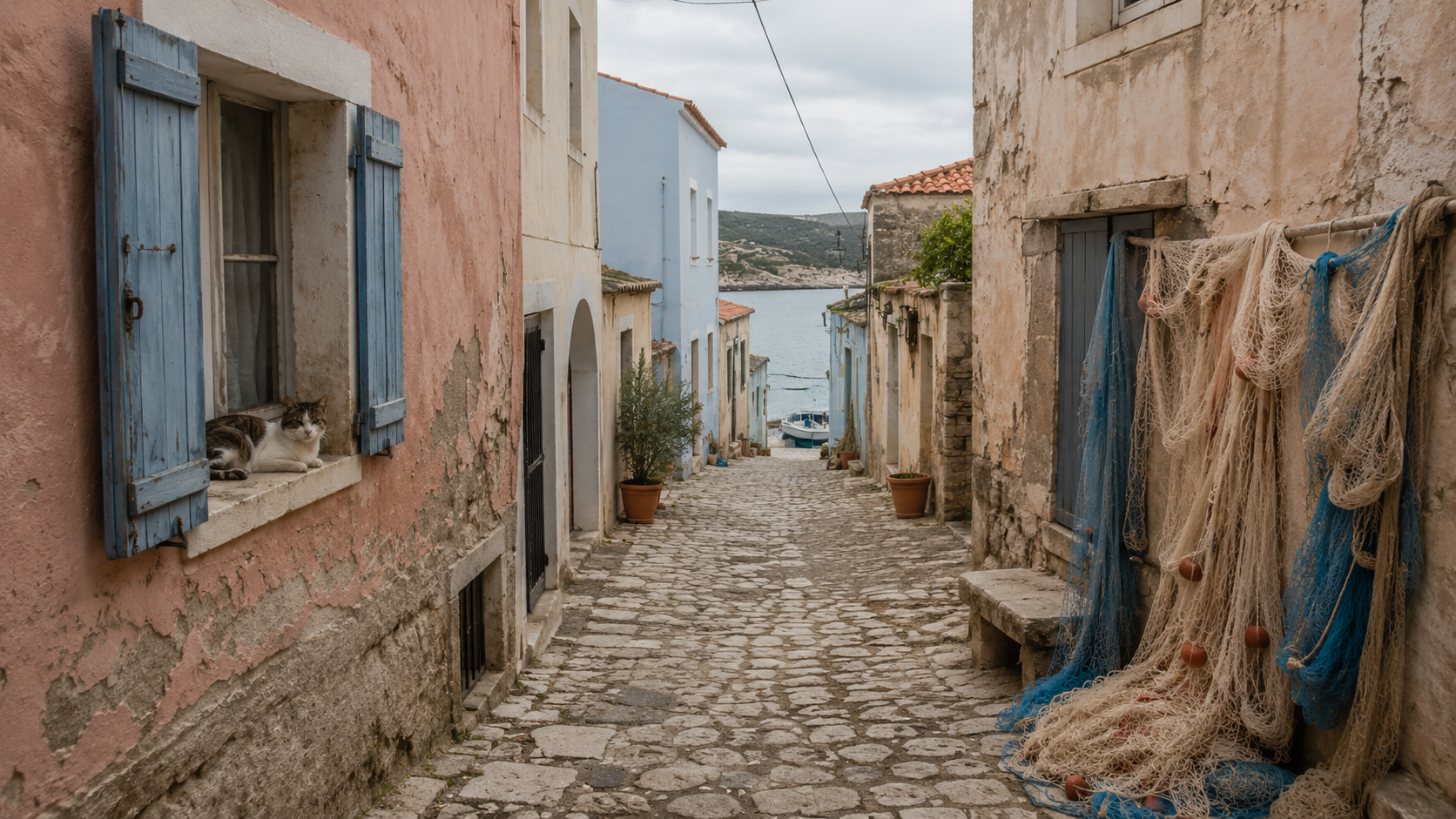
The Med is full of beaches that look impossible from the chart but reveal themselves as you round a headland under sail. The Turkish coast between Fethiye and Kas has dozens of these. Small crescents of sand backed by pine forests, with water so clear you can watch your anchor chain settle on the bottom in ten metres. Croatia's Dalmatian islands offer something similar, though the beaches there tend to be pebble rather than sand.
Greece remains the classic. The Ionian islands have anchorages that have not changed since Odysseus sailed these waters. Antipaxos has a beach that would be world-famous if it were easier to reach by land. From the water, you simply motor in, drop the hook, and swim ashore. By sunset, you are back aboard with a glass of something cold, watching the light turn the limestone cliffs pink.
The Tropics and Beyond
In the tropics, the game changes. The beaches are longer, the water warmer, and the coral reefs add both beauty and complexity to your anchoring decisions. The San Blas Islands off Panama are as close to paradise as most sailors will ever find. Three hundred and sixty-five islands, many with beaches that have never seen a tourist who did not arrive by boat.
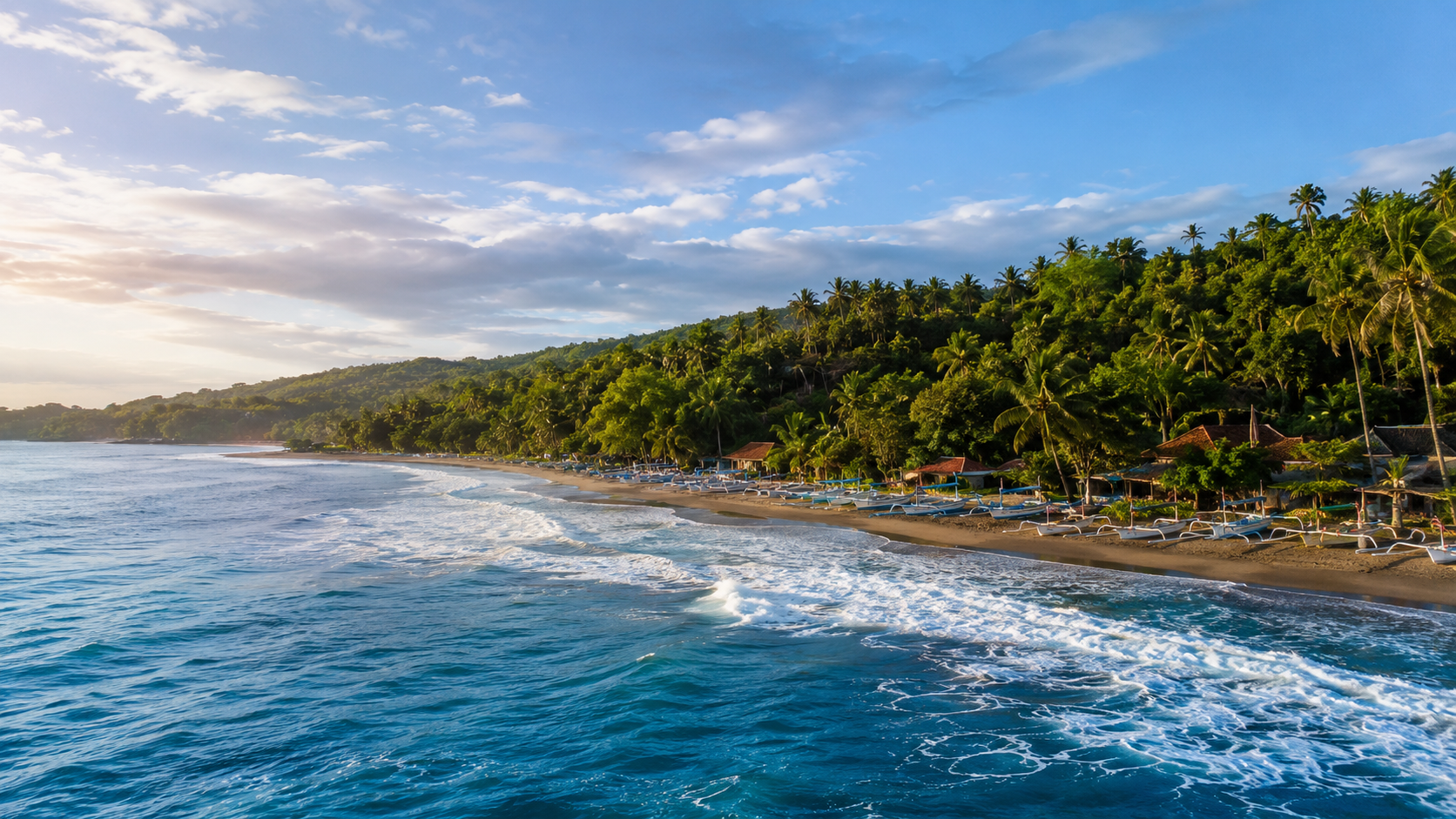
Southeast Asia offers a different character entirely. Thailand's Andaman coast has limestone karsts rising from emerald water, with tiny beaches tucked into their bases. The Philippines' Palawan province is a labyrinth of islands where every anchorage seems to come with its own private beach and a fisherman willing to sell you the morning's catch.
The Etiquette of Beach Anchoring
There is an unwritten code among sailors who anchor near beaches. You do not crowd another vessel's space. You do not run your generator during the quiet hours. You take your rubbish with you. And you leave the beach exactly as you found it. These are not rules enforced by any authority. They are the standards of people who understand that these places remain beautiful precisely because most of the world cannot reach them.
The art of anchoring near the world's best beaches is really the art of paying attention. To the wind, to the bottom, to the shape of the coastline, and to the simple, extraordinary luck of being able to reach places that exist just beyond the end of the road.